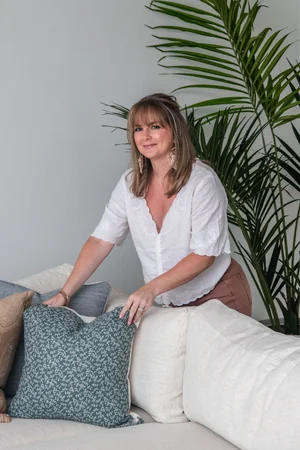
Why Your Home Has More Influence on Your Mental Well-Being Than You Think
How thoughtful design can reduce stress, support your well-being, and help you enjoy everyday life.

@theoneillcasa
Most people think interior design is about making a home look beautiful.
I don't. Well, maybe a little..
I believe the best-designed homes are the ones that quietly make everyday life easier.
They're the homes where mornings feel less rushed. Where family dinners happen naturally. Where there's a place for backpacks, toys, laptops, and all the little things that make up real life. Keeps your life organized.
Because your home is doing more than you think.
Every single day, it's influencing how you feel.
Your Home Affects Your Mental Well-Being
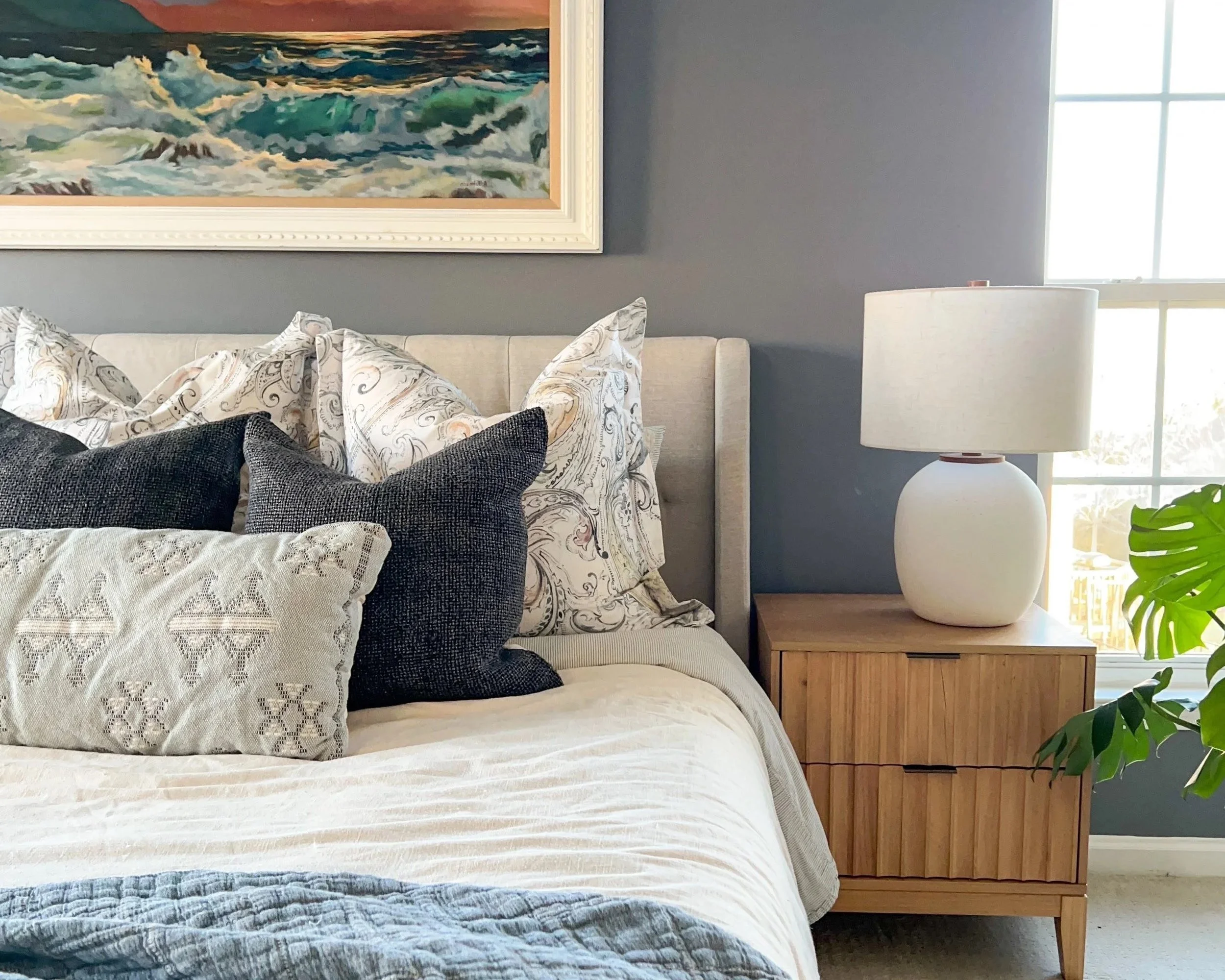
@theoneillcasa
Think about the last time you walked into a cluttered room.
Maybe your shoulders tightened. Maybe you immediately started making a mental list of everything that needed to be done.
Now think about walking into a room that's organized, comfortable, and thoughtfully designed. Without even realizing it, you probably took a deeper breath. That's not your imagination.
Environmental psychology is the study of how our surroundings affect our thoughts, emotions, and behaviors, it has shown that our physical environment can influence stress levels, focus, mood, and even our relationships.
When our homes constantly compete for our attention through clutter, poor organization, harsh lighting, or layouts that don't support the way we live, our brains continue processing those visual distractions.
It creates what's often called mental load—the invisible weight of unfinished tasks and constant reminders. Your home can't solve every source of stress. But it shouldn't add to it. This is my friends what causes our depression and anxieties.
Design Is About Removing Friction
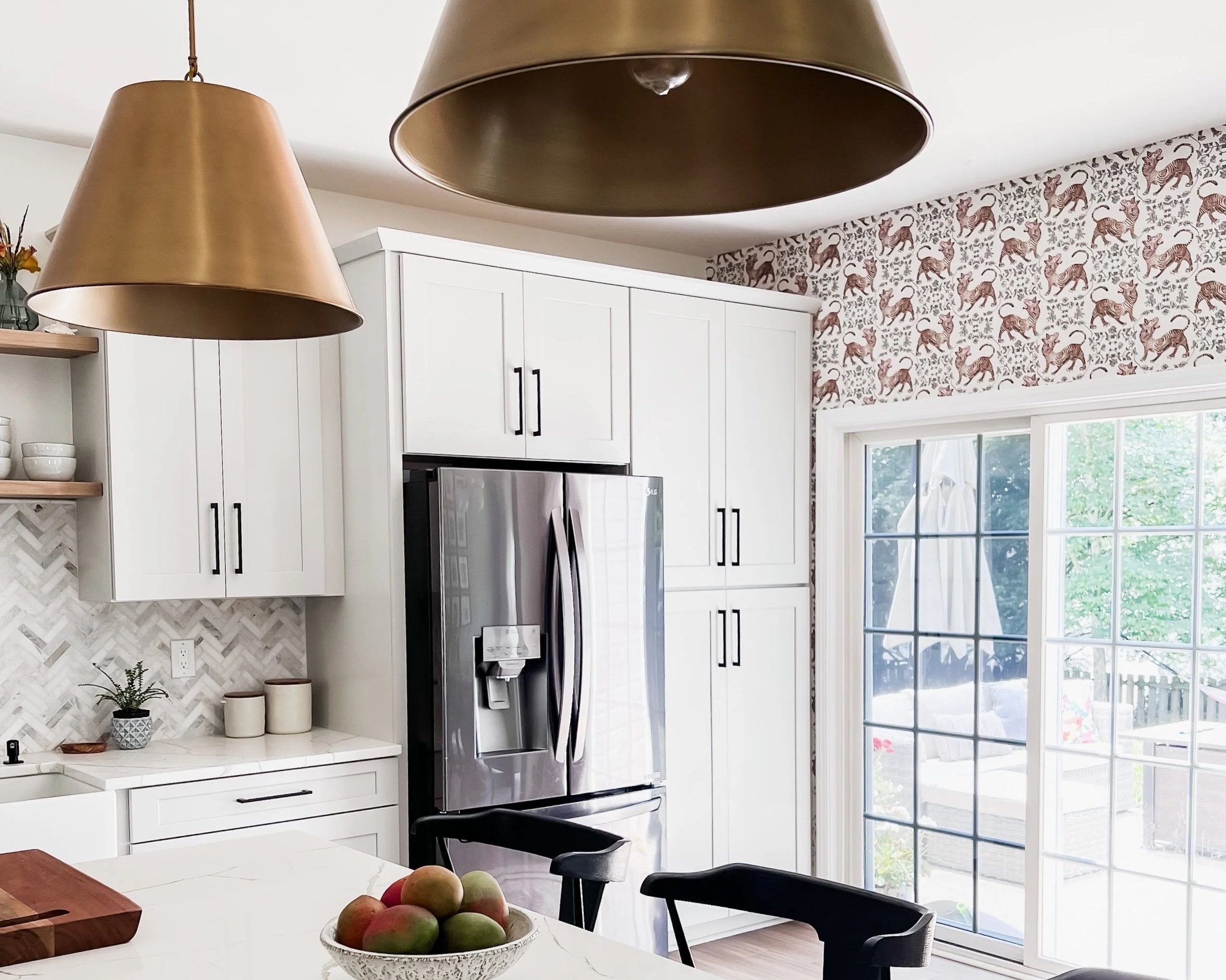
@thoneillcasa
When people hire an interior designer, many assume they're paying for someone to choose paint colors or pillows. Don’t get me wrong, those decisions matter. But they're only a small piece of the process.
The real work begins long before any furniture is selected.It starts with questions.
How does your family actually use the kitchen?
Where does clutter naturally collect?
What part of your morning feels chaotic?
What room do you avoid because it never feels quite right?
Where do your children naturally gather after school?
What would make coming home at the end of the day feel easier?
Those answers guide every decision we make, creating a home that feels effortless to live in and thoughtfully designed around your everyday routines.
Sometimes that's adding hidden storage.
Sometimes it's widening walkways so multiple people can cook together comfortably.
Sometimes it's creating a quiet office where you can focus without competing with the noise of the rest of the house.
And, sometimes it's simply making sure every item has a home.
Those changes might seem small. But they change how your day feels.
Home Is Where Relationships Happen
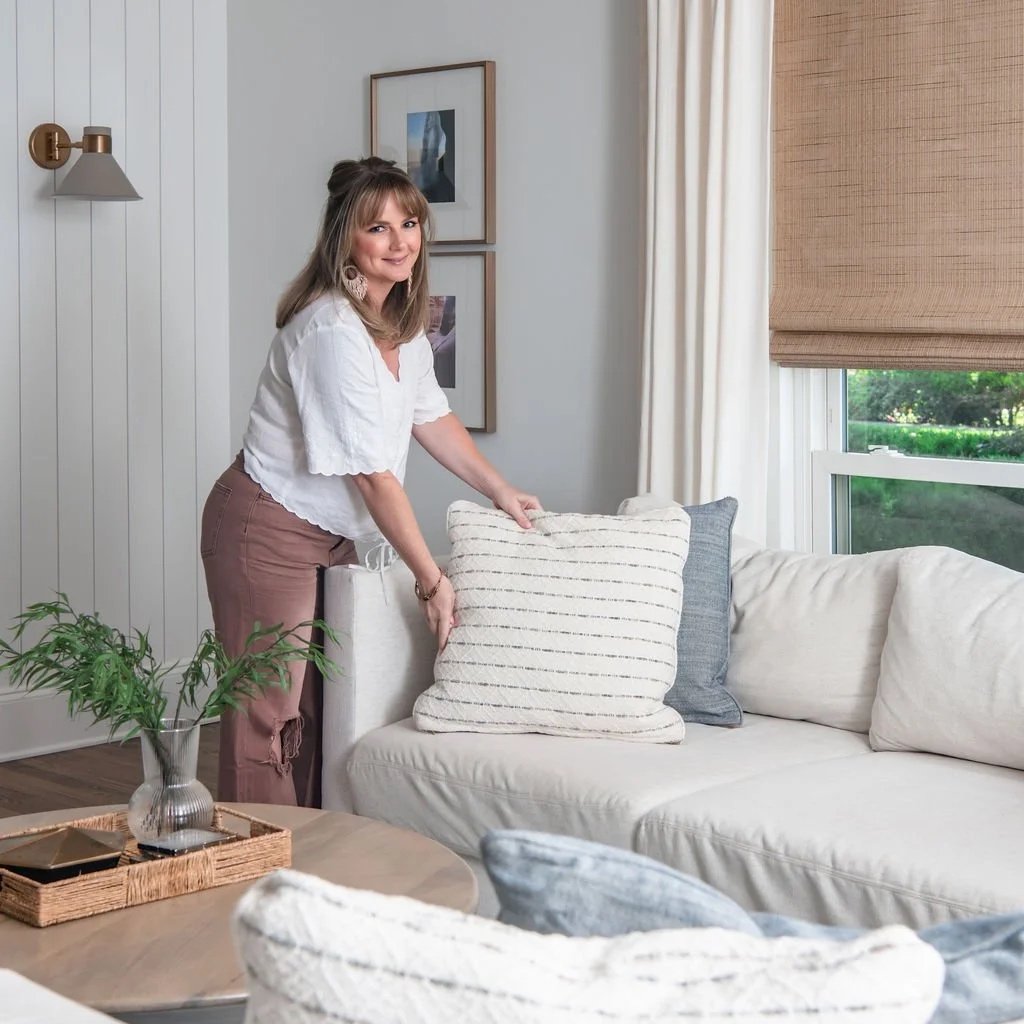
@victoriamoonphoto
Some of our most meaningful memories happen in ordinary moments.
Cooking dinner together.
Helping with homework.
Saturday morning pancakes.
Movie nights on the sofa.
Or coffee before everyone wakes up.
Whatever it is we do, a well-designed home encourages those moments instead of competing with them. When a space functions well, you're not constantly working around it. You're able to focus on the people inside it.
And I think that's one of the greatest gifts thoughtful design can offer.
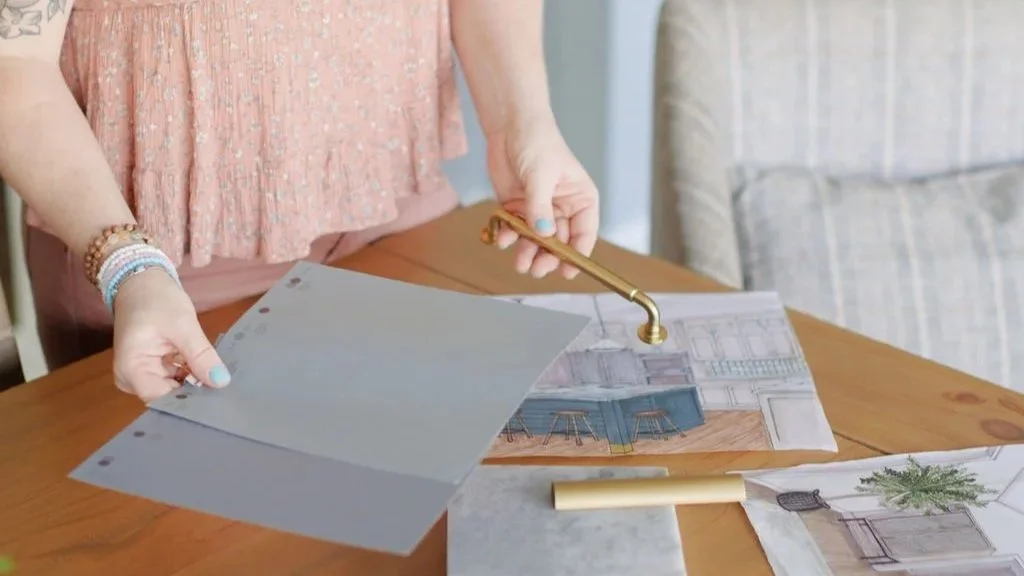
Why Hiring a Designer Is About More Than Decorating
@juliafayphoto
One of the biggest misconceptions about interior design is that it's a luxury reserved for people who want expensive furniture or magazine-worthy homes. In reality, many families hire a designer because they want something much more practical.
They've renovated before and don't want costly mistakes.
They're building a home and want it to function well from the very beginning.
They're tired of making expensive purchases that don't work together.
Or they're simply too busy to coordinate dozens of decisions on their own.
A designer isn't there to make your home look like someone else's. A good designer helps your home reflect the way you live.
By asking the right questions, solving problems before they happen, and creating spaces that continue serving your family for years to come, design becomes less about decorating, and more about improving your everyday experience.
The Best Investment Isn't Always What You Can Measure
@theoneillcasa
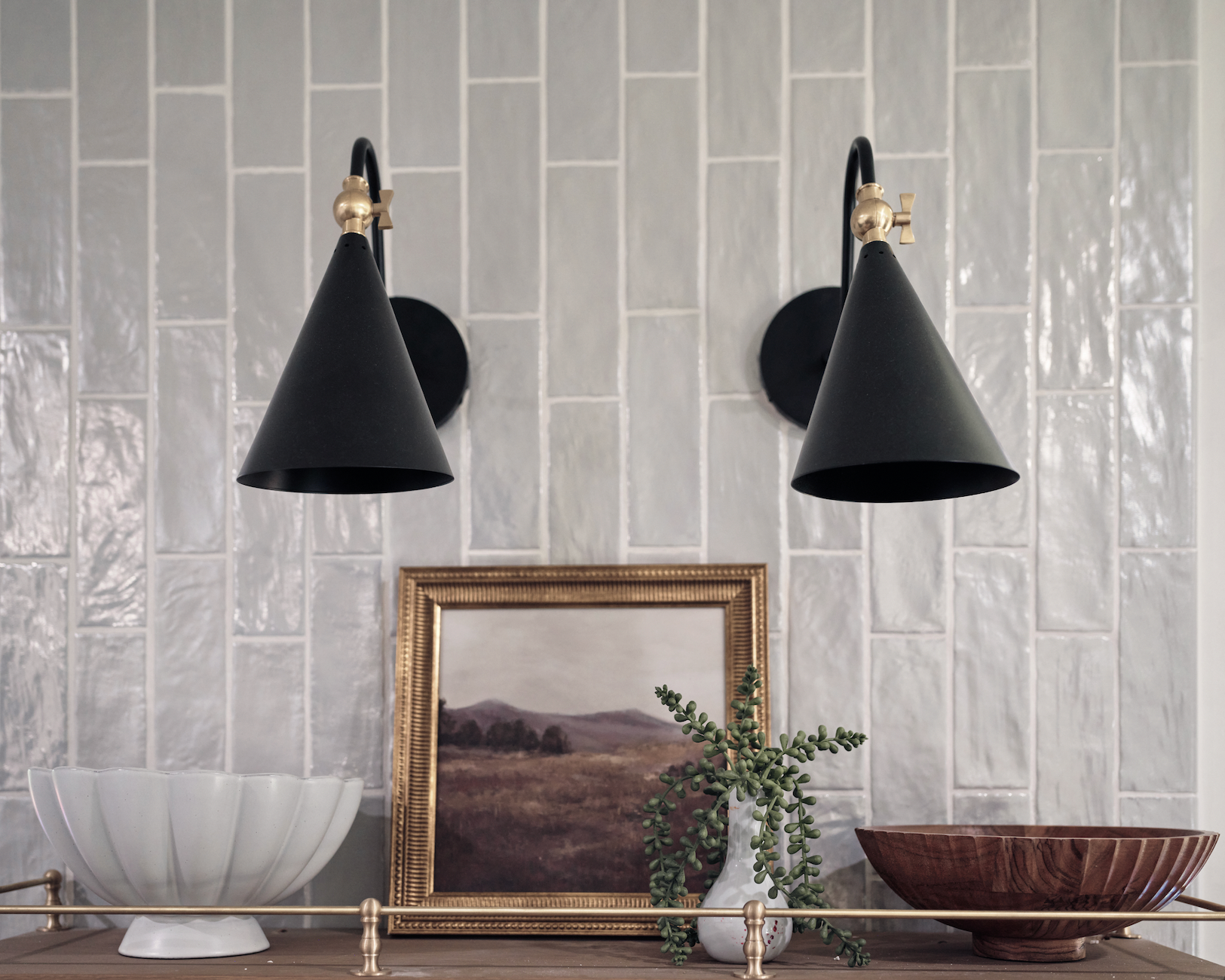
When people think about investing in their home, they often think about resale value. That's certainly important. But there are other returns that don't show up on paper.
Feeling calmer when you walk through the front door.
Actually enjoying cooking dinner.
Having a place where your children naturally gather.
Sleeping better because your bedroom feels restful instead of chaotic. Hosting friends without feeling overwhelmed.
Those aren't just design wins. They're quality-of-life wins.
More Living
@victoriamoonphoto
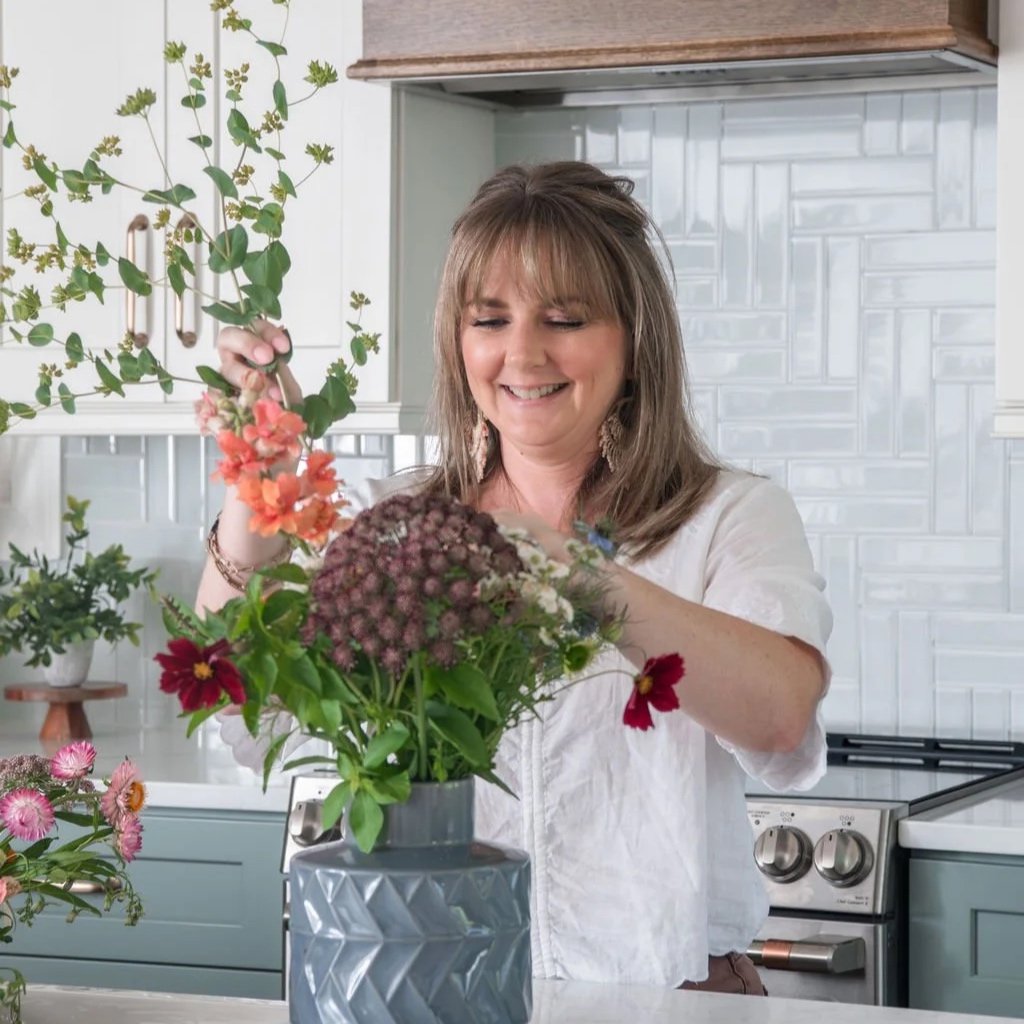
At The O'Neill Casa, We don't believe a successful project is measured by how many compliments a room receives. We believe it's measured by something much quieter.
A family that lingers around the kitchen island.
A parent who feels less overwhelmed.
A child who has a space to imagine and create.
A couple who finally enjoys spending time in their home again.
A well-designed home doesn't ask you to change the way you live. It adapts to the way you already live. They're the ones that help the people living inside them feel more peaceful, more connected, and more at home.
That's what I hope every project becomes. Not just a beautiful space, but a better place to live.

@juliafayphoto